
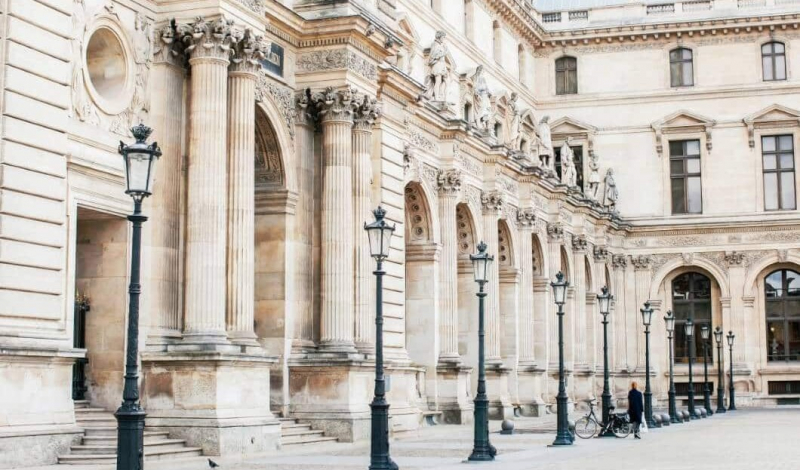
If you are planning a trip to Paris in 2026, you might want to double-check your budget. Starting January 14, 2026, visitors from outside the European Economic Area (which includes the EU plus Iceland, Liechtenstein, and Norway) are going to see ticket prices jump to 32 euros. That is a 45% hike from the current 22 euros, a decision the museum’s board just finalized last week.
The increased is not just a random price adjustment. Supported by the French government, this move is being pitched as an emergency financial fix. The reality is that the world’s most visited museum is staring down a massive wall of investment needs that it simply cannot pay for on its own.
Who Pays the Extra 10 Euros?
So, who is actually footing the bill for this extra 10 euros? Pretty much everyone who isn’t a European resident. We are talking about Americans, who make up the largest group of foreign non-European visitors, along with tourists from China, Japan, Brazil, Australia, Canada, and India. In fact, this affects about 69% of the 8.7 million people who walked through the doors in 2024. If you are an EEA national, your price stays put at 22 euros, which was already raised from 17 euros recently.
Why Now?
The reason for this shift is pretty straightforward: they need the money. There is a billion-euro renovation plan in the works to modernize the Louvre over the next decade. On top of that, there are serious concerns about the building’s condition and security issues, especially after the theft of several Crown Jewels in late 2025 remains unresolved. This price discrimination is expected to bring in another 15 to 20 million euros a year. It helps, but it is still just a modest fraction of the total bill.

Click here to preview your posts with PRO themes ››
“The End of Two Centuries of Universalism”
As you might expect, this decision hasn’t gone down well with the staff. Every single trade union at the museum is pushing back hard. They argue that the Louvre has always stood for universal access to culture since the Revolution, and charging people based on their passport goes against that history. They are calling it a move to patch holes in the roof by taxing foreign visitors.
There is also a practical worry here. The staff is concerned about the nightmare of checking nationalities at the door. The government suggested charging everyone the higher price by default and refunding Europeans who prove residency, but even the Court of Auditors noted that this could require a lot more staff and create endless lines and tension at the entrance.

A Trend, Not an Exception
The Louvre seems to be just the first domino to fall. The Culture Minister has already mentioned that similar pricing for non-European visitors will roll out across other national cultural sites in 2026. Versailles is currently looking at a surcharge, though the Musée d’Orsay says they aren’t planning to follow suit just yet.
A Delicate Balance
Supporters argue that 32 euros is still cheaper than many big exhibitions in London or New York, and that most visitors coming from these countries can afford it. Critics counter that culture shouldn’t be turned into a luxury taxed by passport. One thing is certain, though: starting next year, seeing the Mona Lisa is going to cost noticeably more for the majority of people who travel thousands of kilometers just to catch a glimpse of her.